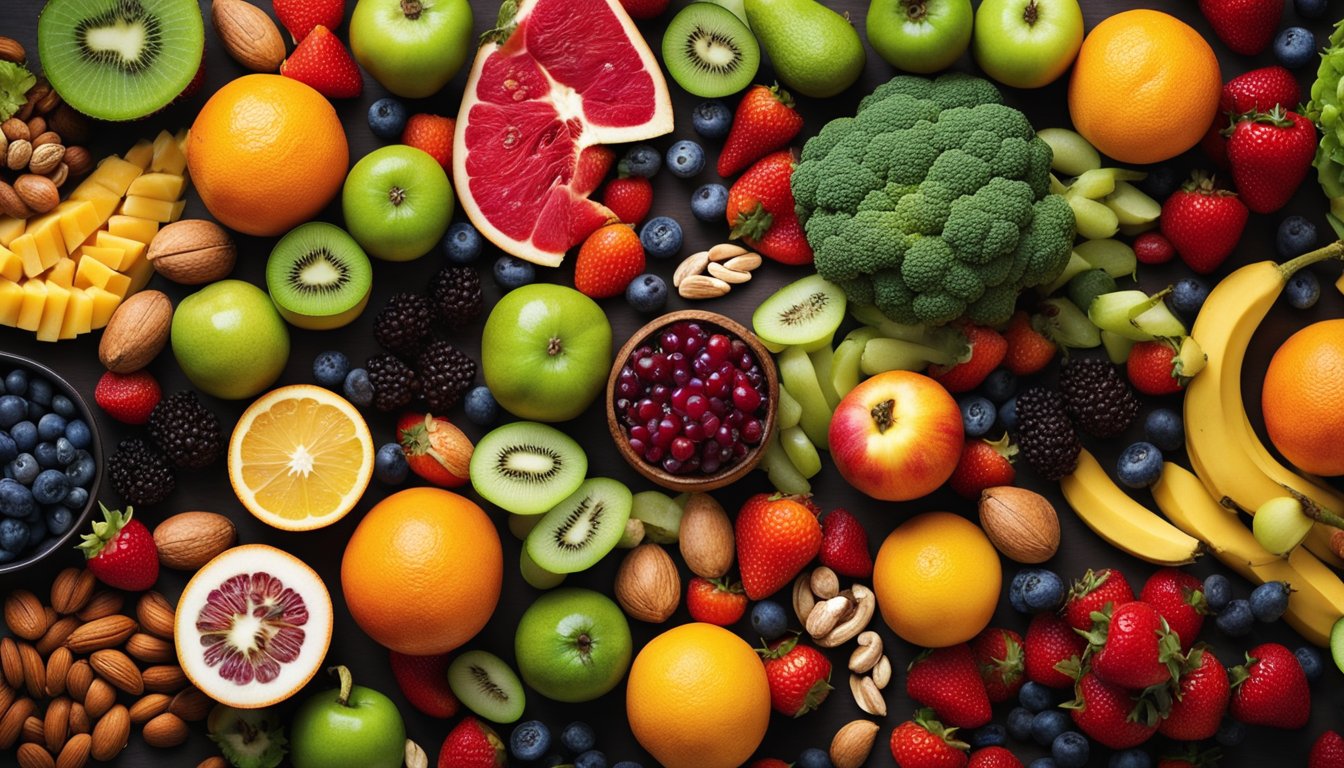
6 Quick Nutrition Tips that Defy Conventional Thinking: Surprising Ways to Boost Your Health
Eating healthy can be confusing with all the conflicting advice out there. I often wonder what nutrition tips actually work. It’s hard to know what to believe when diet trends come and go so quickly.
That’s why I’m excited to share some quick nutrition tips that challenge common beliefs. These ideas may surprise you, but they’re backed by science and can make healthy eating easier. I’ve found them helpful in my own life, and I think you will too. Let’s look at some simple ways to improve your diet without following strict rules or giving up foods you love.
1) Start your day with a protein-rich breakfast
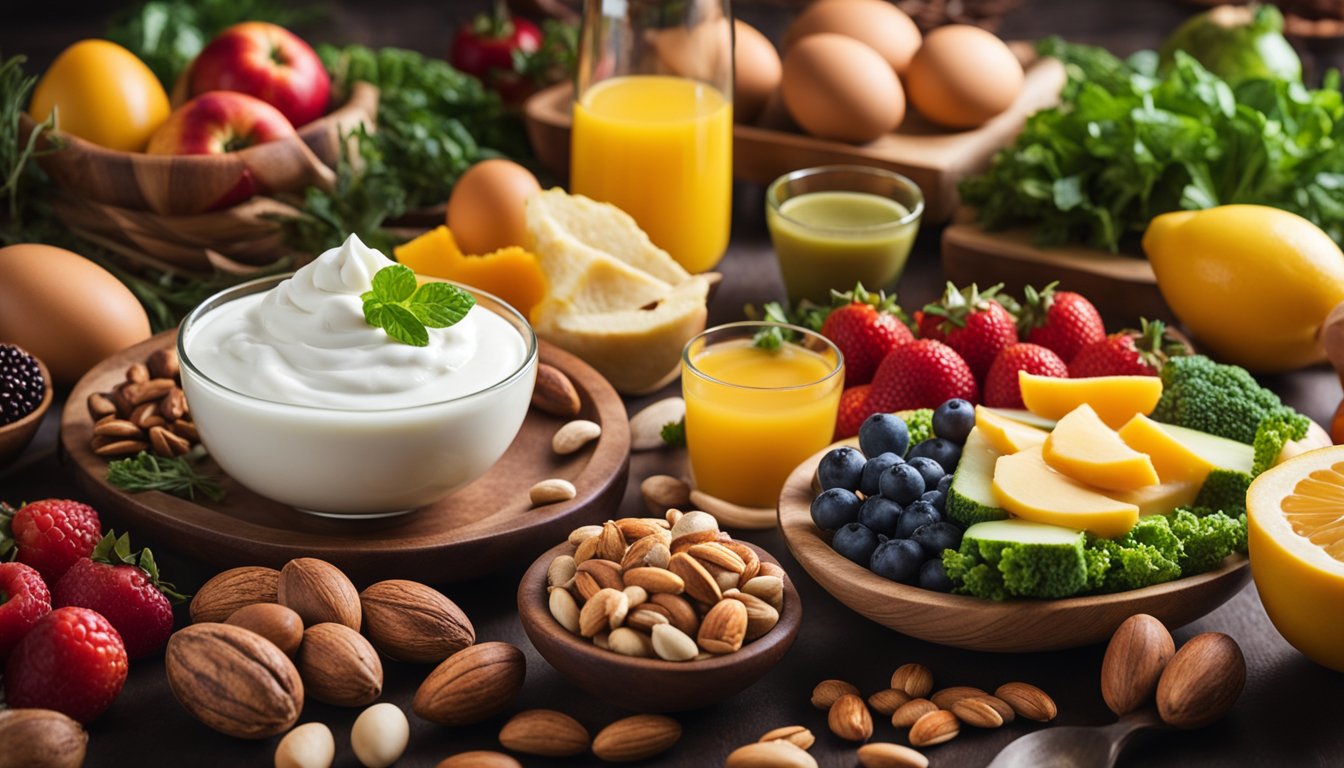
I’ve found that eating a protein-packed breakfast can really set the tone for my day. It gives me energy and keeps me feeling full until lunchtime.
There are so many tasty options for high-protein breakfasts. I love Greek yogurt, which packs about 20 grams of protein per serving. Eggs are another great choice, with 6 grams of protein each.
Sometimes I’ll whip up a taco-flavored ground beef hash with sweet potatoes. It’s delicious and provides 18 grams of protein per serving. Adding a fried egg on top boosts that even more.
On busy mornings, I opt for quick and easy choices. Almond butter and banana toast is a favorite. It’s simple but satisfying.
For a real protein punch, I’ll have some smoked salmon. Just 3 ounces gives me 16 grams of protein. It’s perfect on whole-grain toast with avocado and tomato.
Starting my day with protein keeps me energized and focused. It’s become an essential part of my morning routine.
2) Embrace intermittent fasting for better focus
I’ve found that intermittent fasting can be a game-changer for improving focus. It’s not just about weight loss – it can actually boost brain power too!
When I fast, I notice my mind feels clearer and sharper. This isn’t just my imagination. Studies show fasting may increase brain-derived neurotrophic factor (BDNF), which helps with learning and memory.
There are different ways to try intermittent fasting. One popular method is the 16:8 approach, where you fast for 16 hours and eat within an 8-hour window.
I like to have my eating window from noon to 8 PM. This means I skip breakfast, but I don’t mind. By lunchtime, I’m ready to eat and my focus is at its peak.
During fasting hours, I drink plenty of water and unsweetened tea or coffee. This helps me stay hydrated and alert.
If you’re new to fasting, start slow. Maybe try a 12-hour fast at first. You can gradually increase the fasting period as your body adjusts.
Remember, it’s important to eat nutritious meals during your eating window. I focus on whole foods, lean proteins, and healthy fats to fuel my body and mind.
3) Include fermented foods for gut health
I’ve found that adding fermented foods to my diet has made a big difference in my gut health. These foods contain helpful bacteria that can boost digestion and overall wellness.
Some great options to try are sauerkraut, kimchi, and kombucha. Sauerkraut isn’t just salty cabbage – the fermentation process creates new types of fiber that support gut health.
I like to add a spoonful of sauerkraut to my meals. Starting with small amounts helps me see how my body reacts. Kombucha is another tasty choice – it’s a fizzy fermented tea drink.
Fermented foods can increase the nutritional value of what I’m eating. They may help preserve vitamins and create new nutrients during fermentation.
I’ve learned that variety is key. Mixing different fermented foods gives me a wider range of good bacteria. This diversity seems to be important for a healthy gut.
Adding these foods to my diet has been an easy way to support my digestive health. It’s a simple change that can make a real difference.
4) Snack on pumpkin seeds for zinc and magnesium
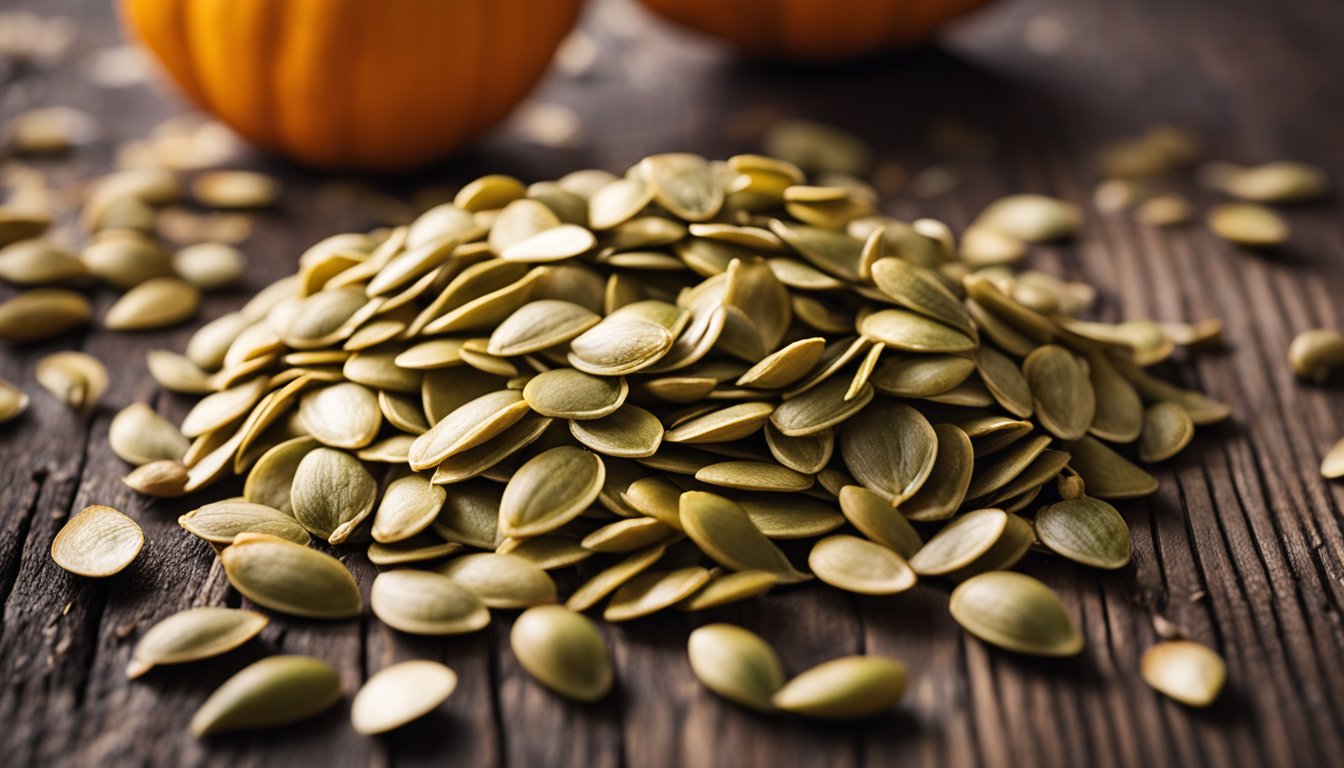
I love munching on pumpkin seeds as a quick, healthy snack. These tiny powerhouses are packed with nutrients that can boost my health in surprising ways.
Pumpkin seeds are rich in zinc and magnesium, two minerals that are essential for my body. Zinc helps support my immune system and vision health, while magnesium is great for my heart.
Did you know that just one ounce of pumpkin seeds contains about 2 grams of fiber? That’s a nice little boost to my daily fiber intake.
I’ve found that pumpkin seeds can be a tasty addition to many dishes. I sprinkle them on salads, mix them into yogurt, or just eat them by the handful.
For a flavor twist, I sometimes roast my pumpkin seeds with spices like cumin or chili powder. It only takes about 15 minutes in the oven, and the result is a crunchy, satisfying snack.
Eating pumpkin seeds regularly might even help me sleep better and ease stress. It’s amazing how such a small seed can pack such a big nutritional punch!
5) Cook with coconut oil for better metabolism
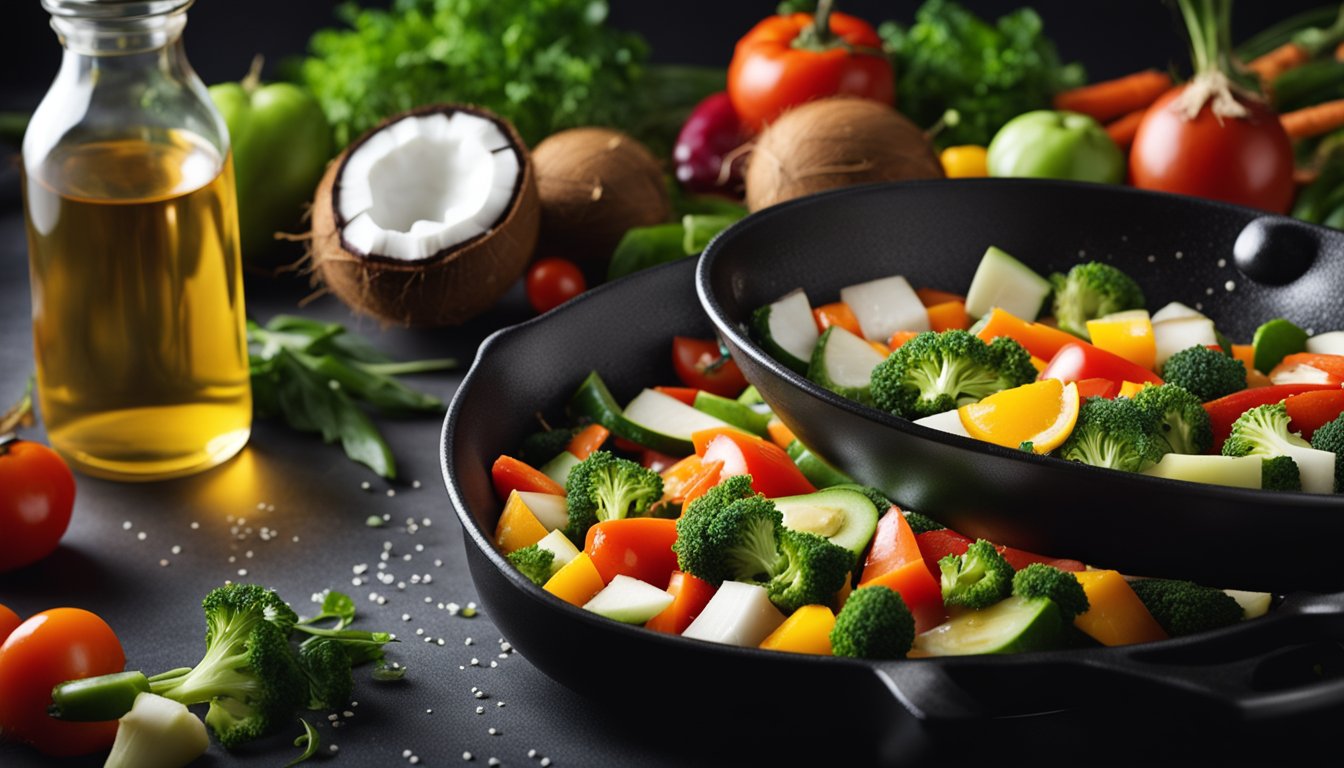
I love using coconut oil in my cooking. It’s not just tasty, but it might help boost my metabolism too.
Coconut oil contains medium-chain triglycerides (MCTs). These fats are easier for my body to break down and use for energy.
When I cook with coconut oil, I feel like I have more energy throughout the day. It’s great for sautéing veggies or adding to smoothies.
I’ve found that coconut oil works well in baking too. I just make sure my other ingredients are at room temperature when I use it.
One neat trick I’ve learned is to use coconut oil when cooking rice. It can change how my body digests the starch.
I keep my coconut oil near the stove for easy use. It’s become a staple in my kitchen, and I love exploring new ways to cook with it.
6) Replace coffee with matcha for sustained energy
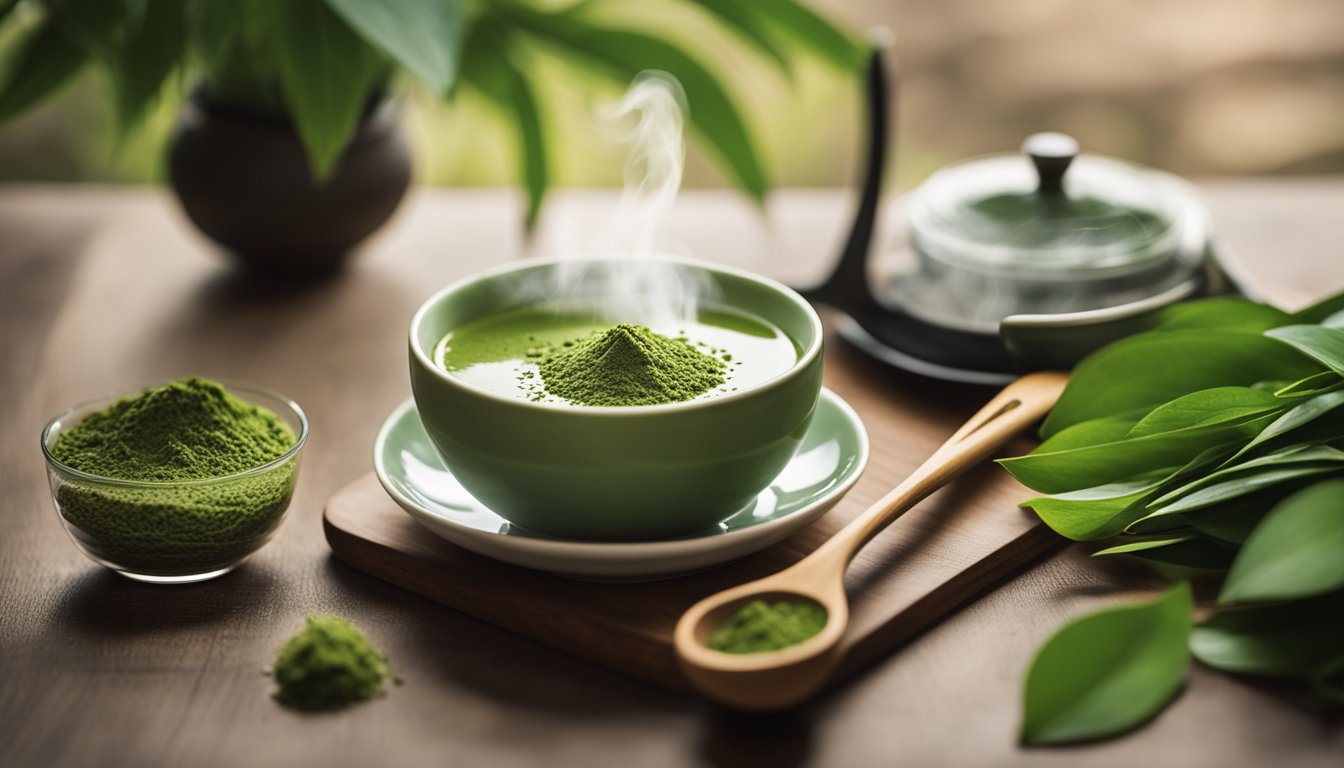
I’ve found a great way to boost my energy without the jitters – swapping coffee for matcha. This finely ground green tea powder gives me a steady energy lift that lasts for hours.
Matcha contains caffeine like coffee, but it also has a special amino acid called L-theanine. This combo helps me feel alert and focused without getting anxious or crashing later.
When I drink matcha, I notice the effects stick around for 6-8 hours. That’s way longer than my old coffee buzz! Plus, I don’t get that midday slump anymore.
I love that matcha gives me a calm alertness. It’s perfect for staying productive at work or powering through a workout.
Making the switch was easier than I thought. I just whisk the powder into hot water or milk. Sometimes I’ll even blend it into a smoothie for a tasty energy boost.
If you’re looking to ditch the coffee jitters, give matcha a try. You might be surprised by how good you feel with sustained, steady energy throughout your day.
Understanding Conventional Nutrition Advice
Nutrition advice has changed a lot over the years. I’ve seen many myths come and go. Let’s look at some common beliefs and how they started.
Common Diet Myths
I’ve heard so many diet myths! One big one is that all fats are bad. This isn’t true. Our bodies need some fats to work well. Another myth is that carbs are the enemy. But carbs give us energy, especially for exercise.
Some people think skipping meals helps with weight loss. I’ve found this can backfire. It often leads to overeating later. There’s also a myth that certain foods burn fat. No food can do that on its own.
Lastly, many believe supplements can replace a balanced diet. While they can help, they don’t give us everything whole foods do.
Historical Perspectives on Nutrition
Nutrition advice has come a long way! In the early 1900s, people thought calories were all that mattered. They didn’t know about vitamins yet. The food pyramid came out in 1992. It told us to eat lots of grains and little fat.
But things have changed. We now know more about different nutrients. For example, we’ve learned that some fats are good for us. The old advice to avoid all fats is outdated.
In the past, many thought meat was key for protein. Now we know plants can give us protein too. Our understanding of fiber has also grown. We used to focus just on its effects on digestion. Now we know it helps with heart health too.
Reevaluating Calorie Counting
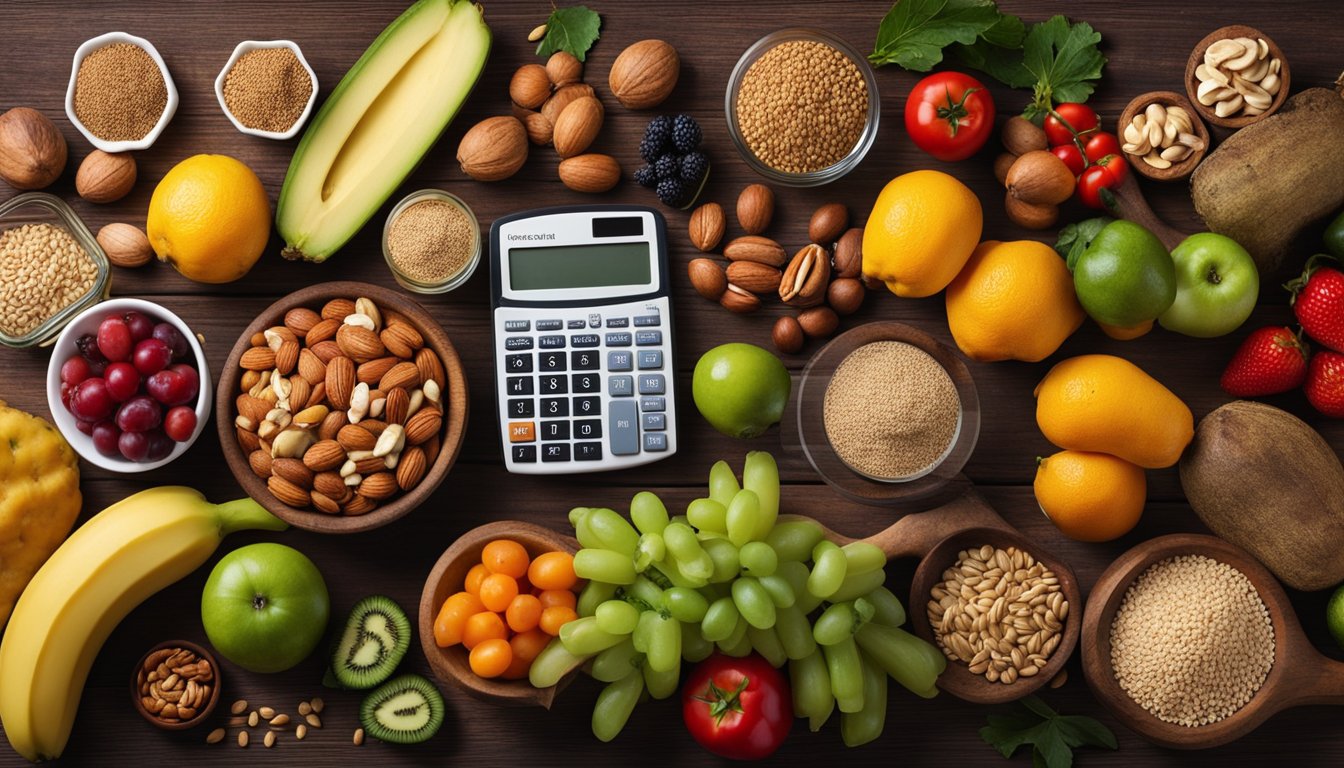
I’ve learned that focusing solely on calories can miss the bigger picture of nutrition. There’s more to food than just numbers.
Quality Over Quantity
I used to think all calories were equal, but that’s not true. A 200-calorie cookie isn’t the same as 200 calories of vegetables. Now I pay attention to nutrient density.
Whole foods like fruits, veggies, and lean proteins give me more bang for my buck. They’re packed with vitamins, minerals, and fiber. These keep me full and energized longer than empty calories.
I’ve found that eating nutrient-rich foods helps me naturally eat less. My body feels satisfied with smaller portions when I choose quality ingredients.
The Role of Macronutrients
I’ve discovered that balancing my macros – protein, carbs, and fats – is key. Each plays a vital role in my health and how I feel.
Protein helps me build muscle and stay full. I aim for about 20-30% of my calories from protein sources. Carbs give me energy for workouts and daily tasks. I focus on complex carbs like whole grains.
Healthy fats are crucial too. They help me absorb vitamins and keep my hormones balanced. I include sources like avocados, nuts, and olive oil in my meals.
By focusing on macros instead of just calories, I feel more satisfied and energized throughout the day.