
The Role of Nutrition in Mental Health: Fueling Your Mind for Better Well-Being
I’ve always been fascinated by how the food we eat affects our bodies and minds. It turns out that nutrition plays a big role in our mental health too. Good nutrition can help protect our mental wellbeing, just like it protects our physical health.
Our brains need the right mix of nutrients to work well. Eating a balanced diet with lots of fruits, veggies, whole grains, and lean proteins gives our brains what they need. This can help us feel better mentally and emotionally.
I find it exciting that a field called “nutritional psychiatry” is growing. It looks at how diet and nutrients affect different parts of mental health. While we still have a lot to learn, the idea that changing what we eat could improve our mood is pretty amazing to me.
Understanding the Link Between Diet and Mental Well-Being
I’ve found that what we eat can really affect how we feel mentally. Our food choices can impact our brain function, mood, and ability to handle stress. Let’s explore how nutrition plays a key role in our mental health.
The Impact of Nutrients on Brain Function
Certain nutrients are crucial for my brain to work well. Omega-3 fatty acids are super important. They help build brain cells and keep them healthy. I make sure to eat fatty fish like salmon to get enough.
Vitamin D is another big player. It helps protect my brain cells and boosts my mood. I try to get some sunlight and eat foods like eggs and mushrooms to keep my levels up.
Folic acid is key too. It helps make neurotransmitters that affect my mood. I eat lots of leafy greens to get my fill.
Magnesium is great for calming my nerves. I snack on nuts and seeds to get enough of this mineral.
How Dietary Patterns Influence Our Mental State
My overall eating habits can really impact my mental health. I’ve noticed that when I eat lots of processed foods and sugar, I feel more anxious and moody.
On the flip side, when I stick to a diet rich in fruits, veggies, whole grains, and lean proteins, I feel much better mentally. This kind of eating pattern gives my brain all the nutrients it needs to function well.
Studies have shown that people who eat a Mediterranean-style diet have lower rates of depression. I try to include lots of olive oil, fish, and plant-based foods in my meals.
Nutrition’s Role in Stress, Anxiety, and Depression Management
I’ve found that what I eat can really help me manage stress, anxiety, and depression. Eating regular, balanced meals keeps my blood sugar stable, which helps me feel calmer.
Foods rich in tryptophan, like turkey and bananas, help my body make serotonin. This “feel-good” chemical boosts my mood and helps me sleep better.
The gut-brain connection is fascinating. Eating probiotic foods like yogurt and kefir supports my gut health, which in turn can improve my mental health.
I’ve learned that cutting back on caffeine and alcohol can really help reduce my anxiety. Instead, I drink calming herbal teas like chamomile.
Nutritional Strategies for Specific Mental Health Conditions
I’ve found that what we eat can really affect how we feel mentally. Let’s look at some ways nutrition can help with different mental health issues.
Dietary Intervention in Managing Depression and Anxiety
I’ve seen how changing your diet can help with depression and anxiety. Eating more omega-3 fatty acids from fish or supplements might improve your mood. I also recommend getting enough B vitamins, especially B12 and folate. These help make brain chemicals that affect mood.
Cutting back on sugar and processed foods can help too. I’ve noticed that people who eat more fruits, veggies, and whole grains often feel better mentally. Some studies show that a Mediterranean diet might lower depression risk by up to 33%.
Interestingly, I’ve learned that probiotics can help. They’re good bacteria that live in your gut and may affect your mood. Try adding yogurt or kefir to your diet.
Role of Nutrition in Neurodevelopmental and Neurocognitive Disorders
I’ve found that nutrition plays a big part in brain health, especially for disorders like ADHD and Alzheimer’s. For ADHD, I recommend foods rich in iron, zinc, and magnesium. These minerals help the brain work better.
For Alzheimer’s, I’ve seen benefits from a diet high in antioxidants. Berries, leafy greens, and nuts are great choices. They help protect brain cells from damage.
I also suggest eating foods with omega-3 fatty acids. They’re important for brain development and function. You can find them in fatty fish, walnuts, and flaxseeds.
Avoiding certain foods can help too. I advise cutting back on processed foods and those high in saturated fats. They can increase inflammation in the body and brain.
Addressing Obesity and Eating Disorders Through Nutrition
I’ve learned that nutrition is key in treating obesity and eating disorders. For obesity, I recommend a balanced diet with plenty of fiber. It helps you feel full and can aid weight loss.
Eating disorders require a careful approach. I suggest working with a professional to create a meal plan. It’s important to get enough calories and nutrients to support recovery.
For both conditions, I’ve found that eating regular meals is crucial. It helps stabilize blood sugar and reduce cravings. I also recommend foods rich in protein and healthy fats. They keep you satisfied longer.
Mindful eating can be helpful too. I encourage paying attention to hunger cues and eating slowly. This can improve your relationship with food.
Remember, quick fixes aren’t the answer. I always suggest making gradual, sustainable changes to your diet for the best long-term results.
Harnessing the Potential of the Gut-Brain Axis
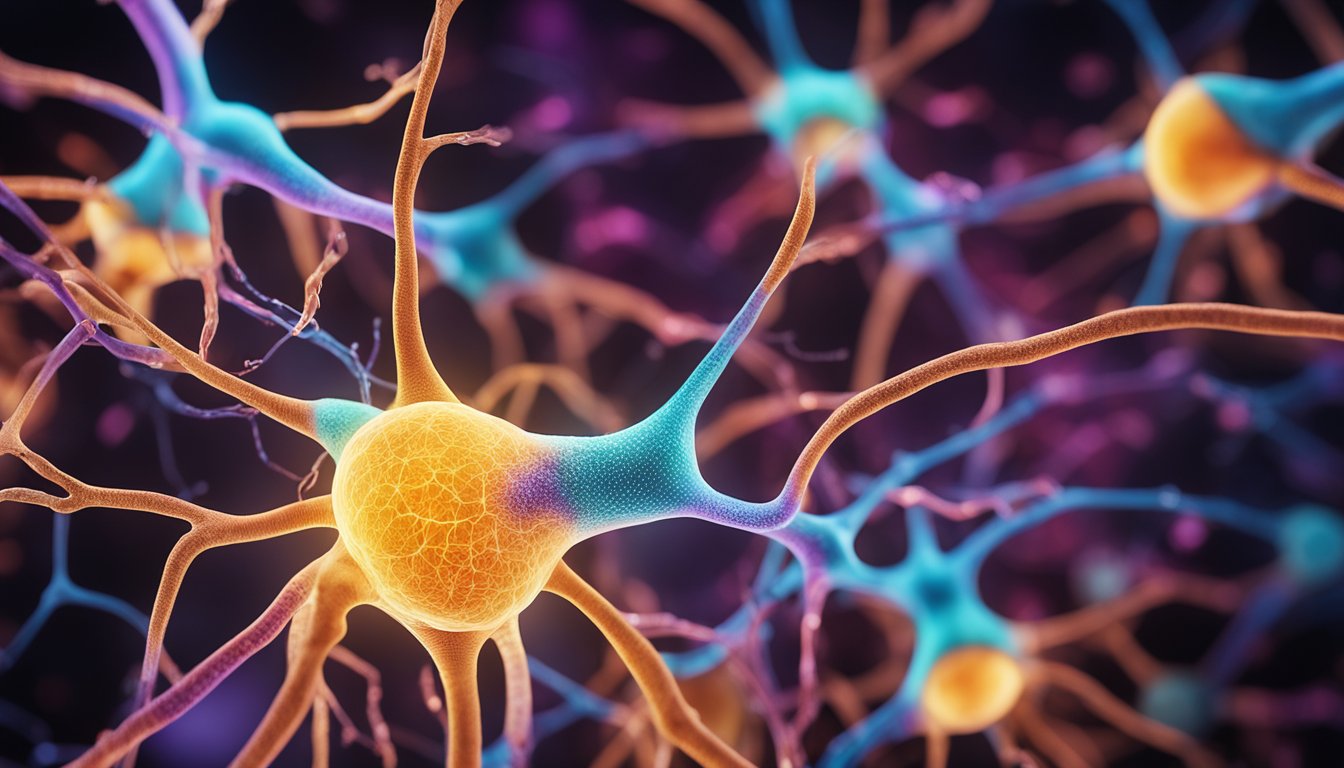
I’ve discovered that our gut and brain are closely connected. This link impacts our mental health in some surprising ways. Let’s explore how we can use this connection to feel better.
Prebiotics, Probiotics, and Their Effect on Mental Health
Prebiotics and probiotics are my new best friends for mental health. These good gut helpers can boost our mood and reduce stress. Fermented foods like yogurt and kimchi are packed with probiotics. They might help ease anxiety and depression.
I’ve found that prebiotics, found in foods like garlic and bananas, feed the good bacteria in our gut. This can lead to better mental health. In some studies, people who took probiotic supplements felt less sad and worried.
It’s exciting to think that what we eat could help our mind feel better. I’m amazed at how these tiny gut friends can make such a big difference in our emotions.
The Influence of the Microbiome on Emotional and Cognitive Health
Our gut is home to trillions of tiny creatures called the microbiome. I’ve learned that these little guys play a big role in how we think and feel. A healthy gut might mean a happier, sharper mind.
The microbiota-gut-brain axis is like a two-way street between our belly and our brain. When our gut is happy, it sends good signals to our brain. This can help us think better and feel more positive.
Some studies show that people with certain gut bacteria might be less likely to feel depressed. I find it fascinating that the foods we eat can change our gut bugs and possibly our mood too.
Inflammation and Its Psychological Implications
Inflammation in our body can affect our mind too. I’ve discovered that what we eat can either increase or decrease inflammation. This, in turn, can impact our mental health.
Foods high in sugar and unhealthy fats might cause inflammation. This could make us feel down or anxious. On the flip side, eating lots of fruits, veggies, and fish might help fight inflammation.
The gut-brain axis plays a key role here. When our gut is inflamed, it can lead to brain inflammation too. This might contribute to mood problems and even cognitive issues.
I’m amazed at how our diet choices can influence our mental well-being through these complex connections. It’s empowering to know we can take steps to support our mental health through what we eat.
Lifestyle Choices That Complement Nutritional Psychiatry
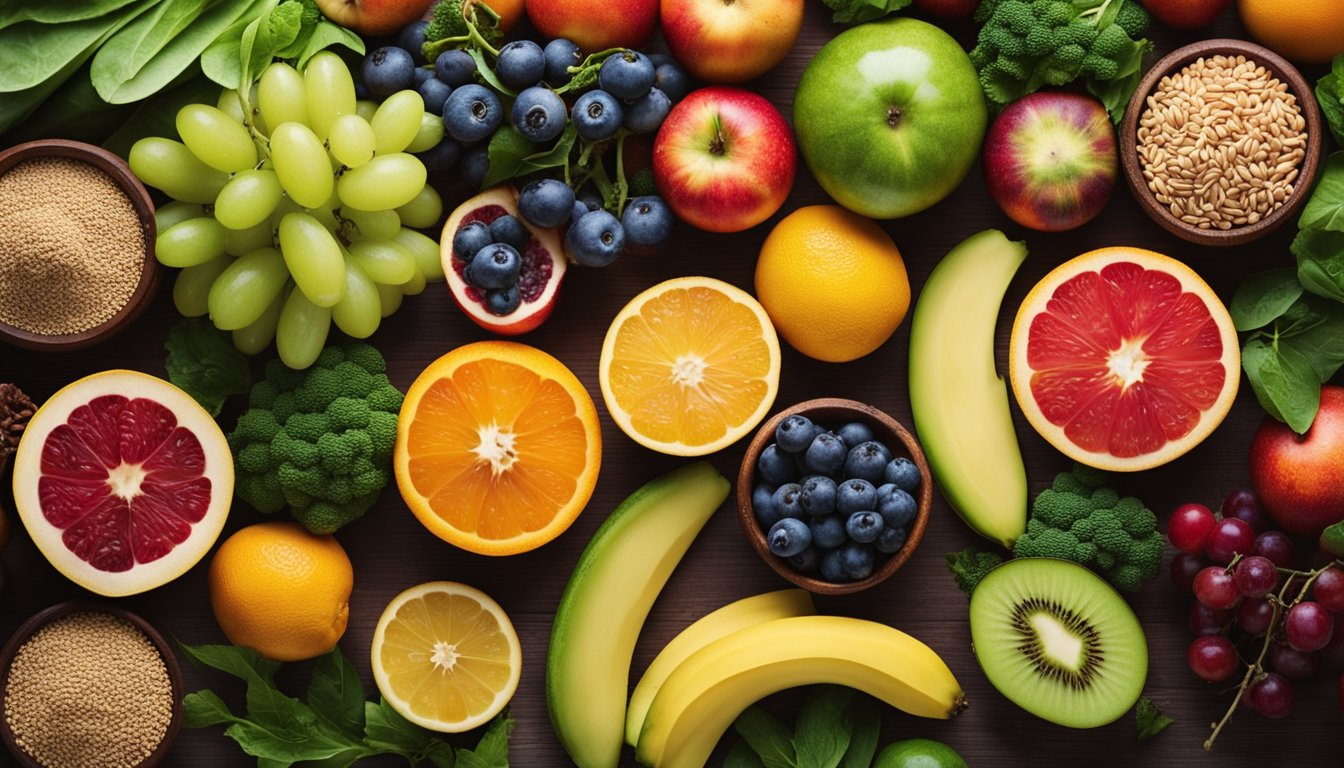
Good nutrition plays a big role in mental health, but it’s not the only factor. I’ve found that combining a healthy diet with other positive habits can really boost our mental well-being.
The Synergy of Diet, Sleep, and Exercise for Mental Health
I’ve learned that eating well, sleeping enough, and staying active work together to keep our minds healthy. When I eat foods rich in nutrients, I feel more energized for exercise. And after a good workout, I tend to sleep better at night.
Regular exercise helps me manage stress and boosts my mood. Even a 30-minute walk can make a difference. I aim for 150 minutes of moderate exercise each week.
Getting 7-9 hours of sleep is key too. When I’m well-rested, I make better food choices and have more energy to exercise. It’s all connected!
Public Health and Policy Implications for Nutritional Awareness
I think it’s important that more people learn about the link between food and mental health. Public health campaigns could help spread this knowledge.
Some ideas I’ve seen work well:
- School programs teaching kids about healthy eating
- Community gardens to improve access to fresh foods
- Cooking classes to help people prepare nutritious meals
Policies that make healthy foods more affordable could have a big impact too. This could help reduce the global burden of mental health issues.
Practical Tips for Maintaining a Healthy Psychological State
I’ve found some simple ways to boost my mental well-being through lifestyle choices:
- Eat a balanced diet with lots of fruits, veggies, and whole grains
- Limit processed foods and sugary drinks
- Stay hydrated by drinking plenty of water
- Get outside for some sunlight and fresh air each day
- Practice relaxation techniques like deep breathing or meditation
- Connect with friends and family regularly
- Find hobbies or activities that bring me joy
By making these habits part of my daily routine, I’ve noticed a real improvement in my mood and overall quality of life.